

Electrocardiogram (ECG or EKG)
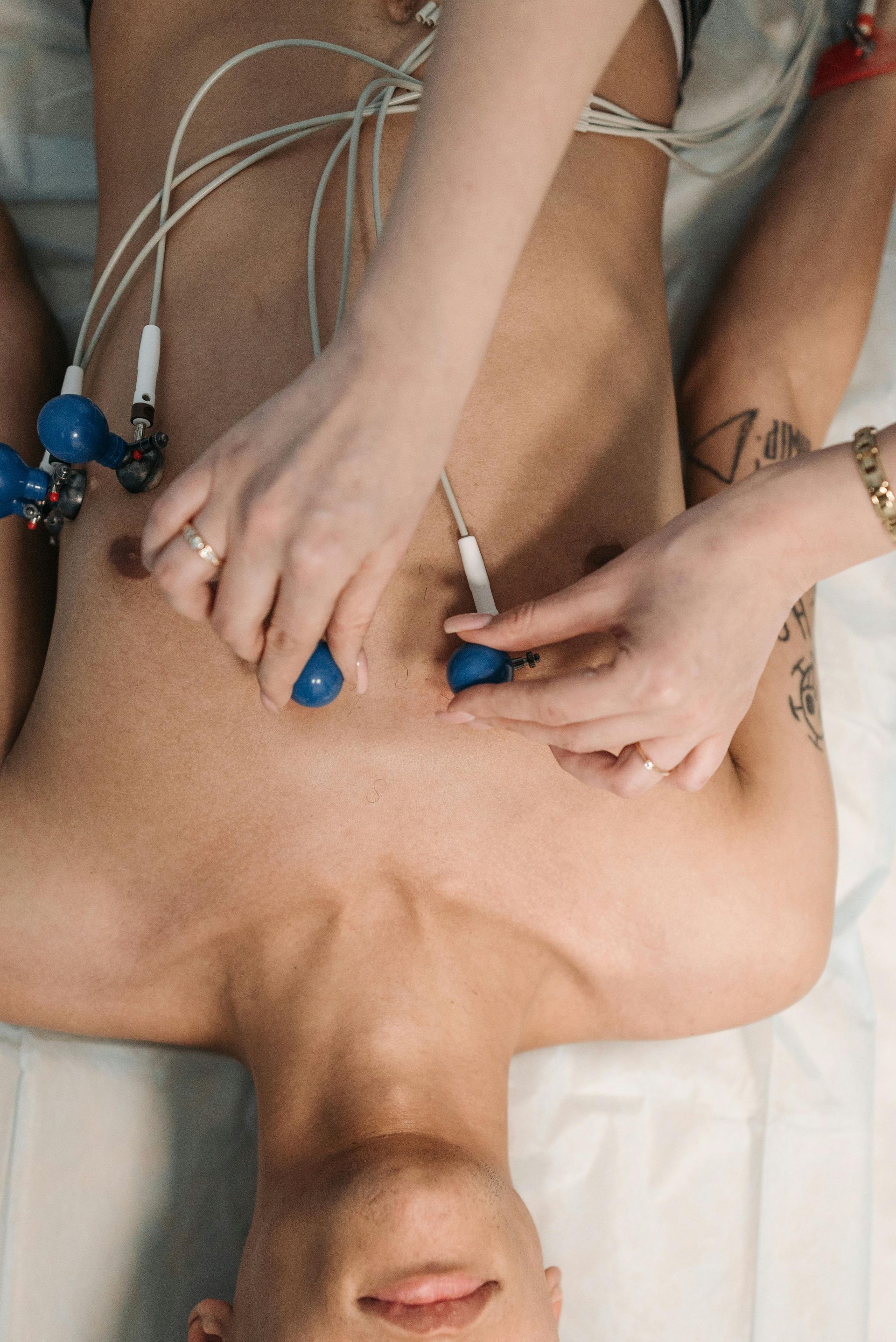
An ECG is a snapshot of your electrical system. It is an important part of a cardiac evaluation. Small stickers will be placed on the chest and then clips are applied to those stickers for at least 10 seconds.
Echocardiogram
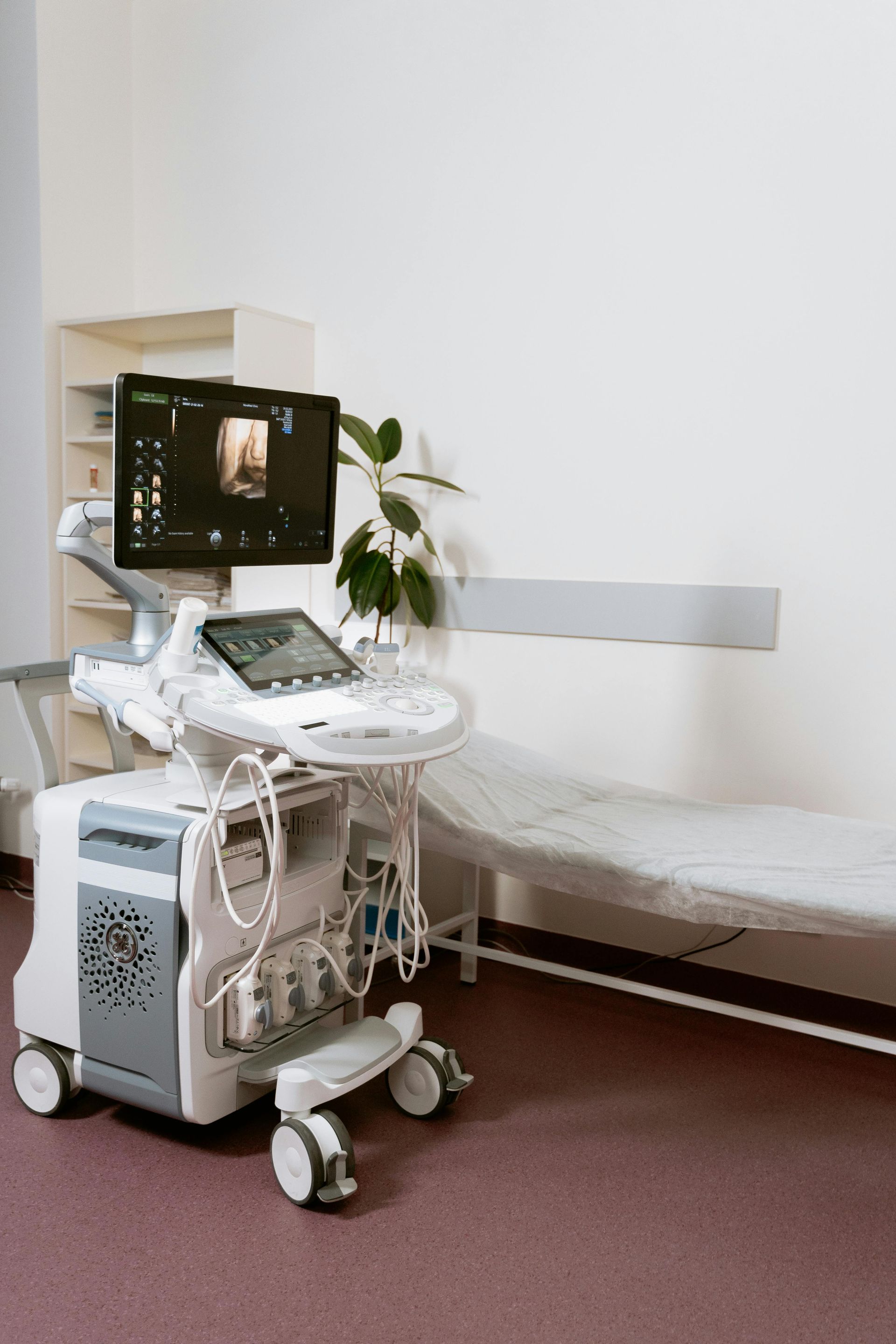
An echo uses sound waves to take pictures of the heart. It does not use any harmful radiation. The patient will feel a warm gel on the chest. The exam usually takes approximately 10 minutes to complete and your doctor will give you the results by the end of the visit.
Holter monitor
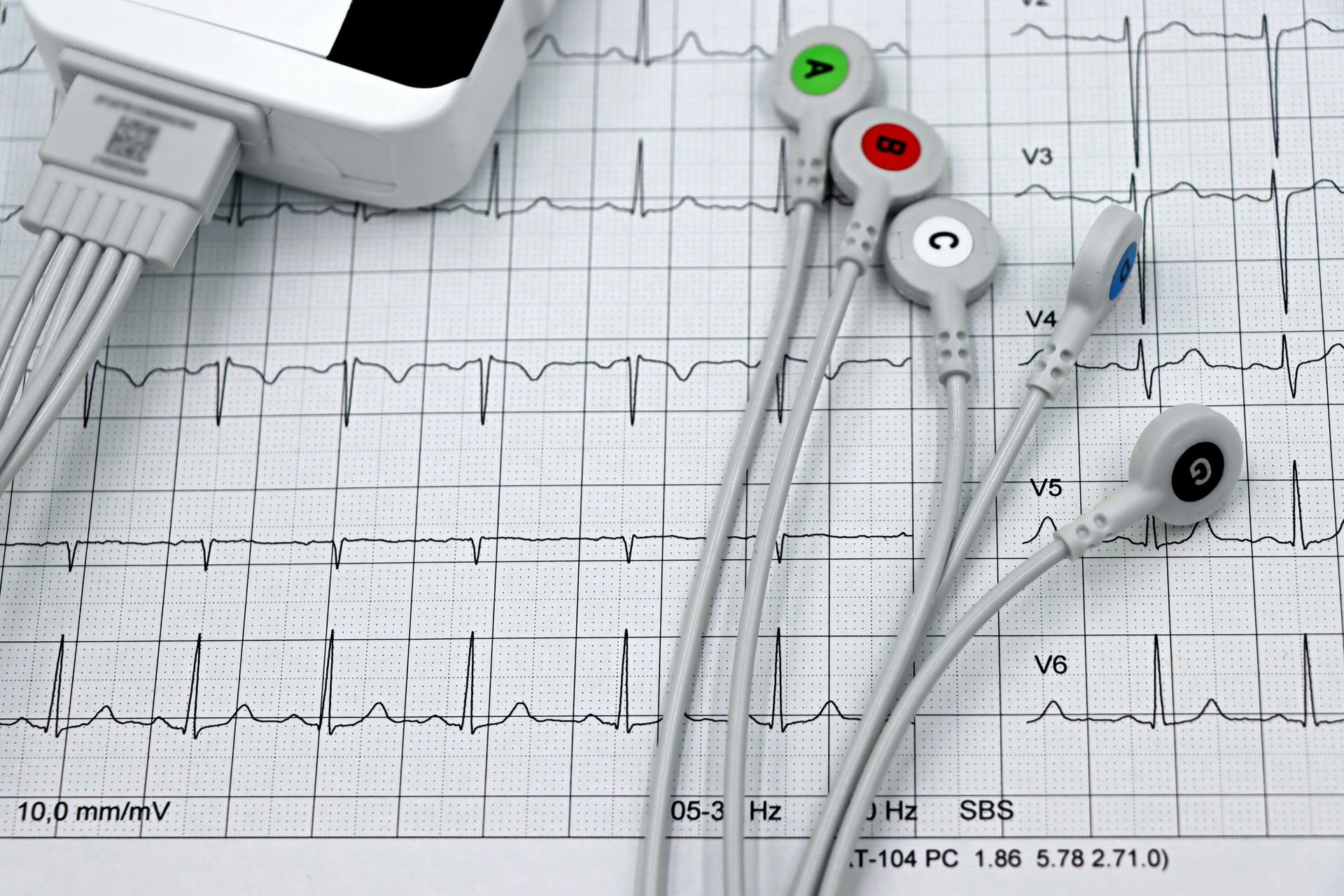
A holter monitor is special device that captures the electrical signals of the heart while the device is worn on the body. It enables the doctor to have a continuous monitor of your heart rhythm. This is helpful in evaluating extra beats or abnormal heart rhythms.
Stress test
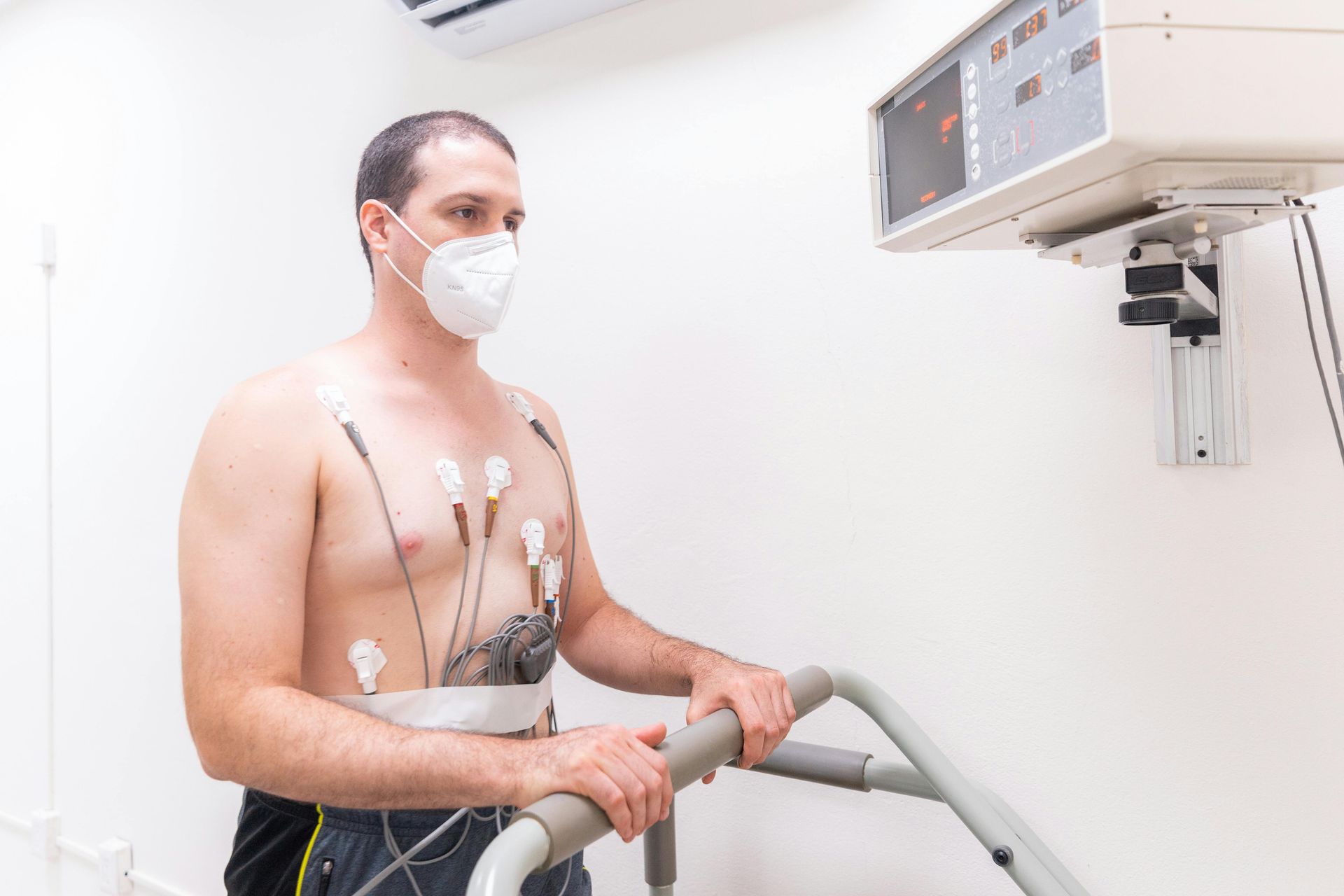
A cardiac stress test is a special test that helps doctors see how well your heart works when it’s busy, like when you’re running or playing.
During the test, you might walk or run on a treadmill, or sometimes ride a bike. The doctor or nurse will put small stickers called electrodes on your chest — these help a machine watch how your heart beats.
As you move, the machine records how fast your heart is beating and how it changes when you exercise. This helps the doctor see if your heart is getting enough blood and oxygen when it’s working hard.
It doesn’t hurt, and you can stop anytime if you feel tired. The test helps doctors make sure your heart is healthy and strong!
Advanced cardiac imaging
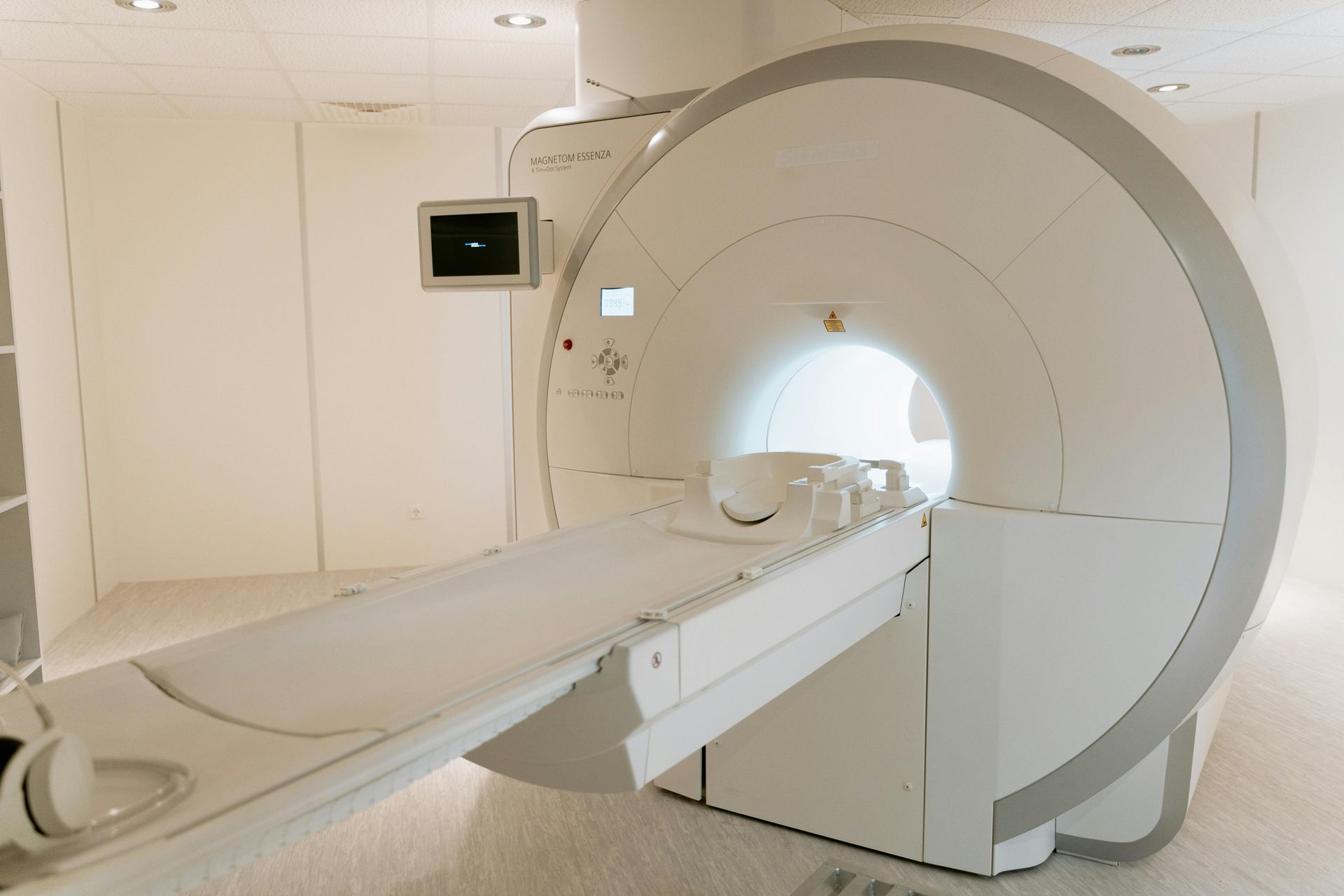
Advanced cardiac imaging is a way for doctors to take super-detailed pictures of your heart — kind of like taking a special photo from the inside!
A CT scan uses a big camera that goes all around you to take pictures of your heart. It’s very fast and helps the doctor see your heart and blood vessels clearly.
An MRI uses magnets and sound waves (not X-rays) to make pictures of your heart while it’s beating. It can show how your heart moves and pumps blood. This test usually takes at least 30 minutes.

Copyright © 2026
. All Rights Reserved.
Medical Web Design by RemedyConnect.
See our Disclaimer
and Privacy Policy.
Website Admin